Where to leave bulky waste in Kings Cross without fines
Posted on 11/06/2026

If you have a sofa, mattress, broken wardrobe, or other awkward item sitting in a hallway, you already know the feeling: it's too big for the bin, too heavy to move casually, and too easy to get wrong. The safest answer to Where to leave bulky waste in Kings Cross without fines is not "wherever there's space." It's about using the right disposal route, at the right time, with the right level of care. That matters in Kings Cross more than people expect, because shared entrances, narrow streets, and fast-moving building management can turn a simple clear-out into a messy complaint if you're not careful.
This guide walks you through the practical options, the risks to avoid, and the smarter ways to handle bulky waste without inviting a penalty or a neighbour's glare. It's written for real London life, not theory. If your clear-out is happening alongside a move, decluttering project, or end-of-tenancy clean-up, you may also find effective decluttering strategies for a move and move-out cleaning advice useful as supporting reading.
Truth be told, bulky waste is one of those jobs that looks simple until you're standing in a stairwell with no lift and a piece of furniture that has suddenly grown a personality. So let's make it straightforward.
- Why it matters
- How it works
- Key benefits and practical advantages
- Who this is for
- Step-by-step guidance
- Expert tips
- Common mistakes to avoid
- Tools, resources and recommendations
- Law, compliance and best practice
- Options and comparison table
- Case study
- Practical checklist
- Frequently asked questions
Why Where to leave bulky waste in Kings Cross without fines Matters
Bulky waste is different from everyday rubbish. Councils and landlords usually treat it as a separate disposal issue because it can block access, create safety hazards, attract complaints, and cause avoidable fly-tipping. In Kings Cross, that becomes even more sensitive because many residents live in flats, managed blocks, converted buildings, or tight streets where one item left in the wrong place can affect everyone.
The phrase "without fines" is the key part here. Fines and enforcement action are rarely about the object itself; they are usually about how it was left, where it was left, or whether the person dumping it could be linked to the waste. That means your job is to remove ambiguity. Don't leave it beside a communal bin store unless you know the building explicitly allows it. Don't place it on the pavement "just for a bit." And don't assume someone will quietly take care of it. London rarely rewards assumption. A little planning saves a lot of awkwardness later.
There's also a reputational side. In a dense area like Kings Cross, unmanaged bulky waste can lead to complaints from neighbours, building managers, concierge teams, and even local enforcement teams. If you are moving out, that last week is already busy enough without a note on the door or an extra charge on the way out.
For a wider move-related lens, stress-free house moving techniques and how to avoid hidden move-in charges can help you stay organised and avoid last-minute mistakes.
How Where to leave bulky waste in Kings Cross without fines Works
In practice, there are usually a few legitimate ways to deal with bulky waste. The right one depends on the item, how quickly it needs to go, the building setup, and whether you can move it safely. Some options are very formal, some are practical, and some are the sort of thing people try once and then regret.
The first step is to identify what counts as bulky waste. Common examples include sofas, armchairs, mattresses, wardrobes, chest freezers, fridges, tables, desks, bed frames, and large broken furniture. Items like electrical goods may need separate handling because of cables, gas components, refrigerants, or recycling requirements. If you're dealing with a heavy freezer or old appliance, it is worth reading practical freezer storage advice before you decide whether to move it, store it, or dispose of it.
Then comes the route selection:
- Use a council-approved bulky waste collection service if your area and timing allow it.
- Arrange a licensed private removal service when the item is too large, too urgent, or too awkward for a standard pickup.
- Take items to an authorised reuse or recycling destination if you have transport and the item is suitable for processing.
- Move items into storage temporarily if you are not yet sure whether to keep, donate, or dispose of them.
The key point is that "leave" does not mean abandon. You should be handing the item over to a legitimate disposal or removal process, not hoping someone else will make it disappear. If you need help with lifting, transit, or multiple items at once, a service such as removal services in Kings Cross or man with a van support in Kings Cross can be a practical option, especially when access is tight.
Key Benefits and Practical Advantages
Doing bulky waste properly gives you more than just a clear floor. It also reduces stress, keeps you on the right side of building rules, and makes moving day much calmer. You will notice the difference immediately if you've ever tried to walk around a dismantled bed base for three days straight. Not glamorous, but very real.
- Lower risk of fines or complaints because the waste is handled through a legitimate route.
- Less stress during a move since one major job is removed from your list.
- Better safety for you, your neighbours, and anyone working in shared spaces.
- Cleaner common areas which matters in flats, estates, and managed buildings.
- More recycling potential if items are sorted well and not mixed with general rubbish.
- Less damage risk when heavy objects are moved with proper equipment and technique.
There's a practical side people often miss: bulky waste removal can also help you judge what to keep. Once you decide to get rid of the old sofa, you may spot that your storage needs are smaller than you thought. If that's the case, it may be worth considering storage in Kings Cross for items you are not ready to lose, or long-term sofa storage advice if the item is worth keeping.
Who This Is For and When It Makes Sense
This topic matters to a wide mix of people in Kings Cross. You do not need to be moving house to run into bulky waste trouble. In fact, a lot of it happens during ordinary life: upgrades, refurbishments, tenancy changes, office clear-outs, or simply a moment of "why is this old chair still here?"
This is especially relevant for:
- Flat residents dealing with limited storage and shared entrances.
- Students who need a fast, tidy clear-out before term ends or a tenancy changes. Student removals in Kings Cross can be useful when bulky items need to go with the rest of the room contents.
- Families replacing furniture, beds, prams, or white goods.
- Office managers clearing desks, chairs, filing units, or old equipment. For larger commercial jobs, office removals in Kings Cross may be the cleaner route.
- Landlords and letting agents who need end-of-tenancy clearance without mess or delay.
- People with no lift or narrow stairs where moving bulky waste out safely is genuinely difficult.
It also makes sense if you are on a tight schedule. Same-day moves, last-minute handovers, and landlord deadlines have a habit of compressing everything into one frantic afternoon. If that sounds familiar, same-day removals in Kings Cross and what to expect from urgent removals may be useful.
Step-by-Step Guidance
If you want a simple, sensible process, use this. No drama, no guesswork.
- Sort the item. Decide whether it is waste, reusable, repairable, or recyclable. A second look can save money and time.
- Check access. Measure stair turns, door widths, and lift size if needed. Many bulky waste problems are really access problems in disguise.
- Check building rules. Some blocks have specific collection windows, concierge procedures, or no-stacking rules in communal areas.
- Choose the disposal route. Pick collection, removal, storage, or recycling based on urgency and item type.
- Prepare the item. Remove loose drawers, glass shelves, batteries, cables, and anything fragile or hazardous.
- Protect shared areas. Use blankets, floor coverings, or edge protection if you're moving the item yourself. That small bit of care matters.
- Move it out safely. Use the right lifting technique and enough people. If the item is heavy or awkward, don't pretend otherwise.
- Confirm handover or collection. Keep records if you are using a private service or arranged pickup, especially for tenancy disputes.
For lifting and moving, it helps to know your limits. A sofa may look manageable until you hit the first tight corner. That's where solo heavy lifting tips and safer lifting techniques can save your back and, frankly, your weekend.
Expert Tips for Better Results
Here's the bit that tends to separate a smooth clear-out from a messy one. Small choices make a big difference.
First, plan the route before you touch the item. In Kings Cross flats, the route out is often the real challenge. A bed frame that fits in the room may not fit around the hallway bend. Sounds obvious, but people forget it all the time.
Second, break items down where possible. Flat-pack furniture, bed frames, and some wardrobes are easier to transport in sections. If you are dealing with beds and mattresses, you may find advice on safely moving a bed and mattress especially useful.
Third, keep an eye on timing. Early morning collection windows can be easier for shared buildings because corridors are quieter and lifts are less busy. Late afternoon can be a headache. You know how it is.
Fourth, separate clean recyclable items from general waste. Some items can be diverted more easily if they are not contaminated with food residue, liquids, or mixed rubbish. For example, a clean wardrobe is very different from a wardrobe stuffed with random household junk.
Fifth, use the move as a declutter reset. If you are already clearing out, do yourself a favour and reduce the total load. The less you carry out, the less can go wrong. Packing hacks for a house move can also help if the bulky waste is part of a larger relocation.
Expert summary: the safest route is usually the one that combines proper sorting, careful lifting, and a legitimate collection or removal method. The cheapest option is not always the cheapest once you factor in time, damage, or a possible fine.
Common Mistakes to Avoid
Most problems with bulky waste in Kings Cross come from a handful of repeated mistakes. Avoid these and you're already ahead of most people.
- Leaving items in communal areas without permission.
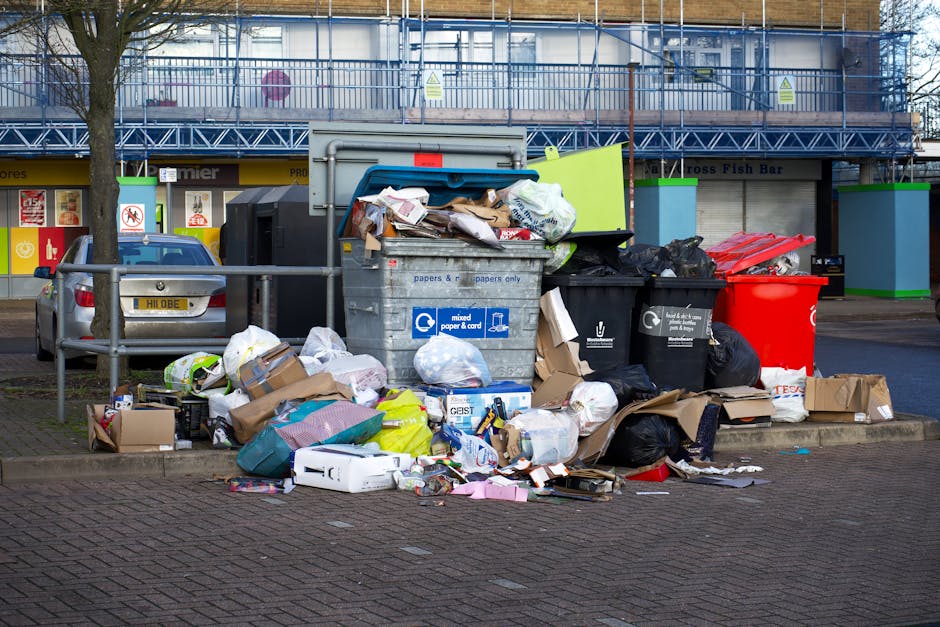
- Dumping next to bins and assuming it counts as disposal. It doesn't.
- Blocking hallways, fire exits, or entrances while waiting for collection.
- Mixing bulky waste with general rubbish so it becomes harder to recycle.
- Ignoring access constraints and getting stuck halfway down the stairs.
- Using unlicensed or unclear disposal help when the item needs an accountable handover.
- Leaving it until the last minute and then paying for rushed, avoidable mistakes.
A smaller but important one: don't underestimate how dirty bulky waste can be. Old upholstery, dust-heavy mattresses, and storage furniture often carry a lovely mix of dust, smells, and hidden debris. Not exactly ideal in a narrow landing. If you're finishing a tenancy, packing guidance for Kings Cross flats and stair tips for estate moves can help you keep the process controlled.
Tools, Resources and Recommendations
You do not need a van load of specialist gear, but the right tools make bulky waste handling much safer and cleaner.
- Work gloves for grip and cut protection.
- Furniture blankets or old quilts to protect walls and door frames.
- Straps or tape to secure doors, drawers, and loose parts.
- Dolly or sack truck for heavier items with stable bases.
- Utility knife and screwdriver for disassembly.
- Gaffer tape to tame cables and loose panels.
- Cleaning wipes or a cloth to tidy up after the move-out.
If the job is bigger than a one-person lift, a coordinated service is often worth more than it first looks. You can compare practical support through man and van support, a dedicated removal van, or a broader package through removals in Kings Cross. For larger or more complex clear-outs, removal companies in Kings Cross may be the better fit.
If your bulky waste is part of a wider home project, it can also help to organise the rest of your move with packing and boxes in Kings Cross or, for bigger house jobs, house removals in Kings Cross and flat removals in Kings Cross.
Law, Compliance, Standards, or Best Practice
Without getting legalistic, the main principle is simple: waste must be handled responsibly. In the UK, people can be held responsible for waste they produce, especially if it is fly-tipped or handed to someone who then dumps it illegally. That is why being careful about who collects your bulky waste matters.
Best practice usually means:
- using a legitimate, traceable collection method,
- keeping evidence of collection or handover where relevant,
- not obstructing communal spaces or public pathways,
- separating recyclable and reusable items where practical,
- following building management or tenancy instructions,
- and treating electrical or hazardous items with extra caution.
For businesses and landlords, the standard should be even higher. Office furniture, beds, appliances, and worn-out fixtures should be removed in a way that keeps shared premises clear and avoids confusion over ownership. If you are dealing with regular commercial turnover, the right process is part compliance, part reputation management. A small bit of paperwork is better than a big bit of trouble, as they say.
It's also sensible to check a company's safety and insurance approach before booking. Supporting pages such as health and safety policy, insurance and safety, and recycling and sustainability are useful signals when you want to choose carefully.
Options, Methods, or Comparison Table
Choosing the right method depends on speed, item size, and how much hands-on effort you want to put in. Here's a practical comparison.
| Method | Best for | Pros | Watch-outs |
|---|---|---|---|
| Council bulky waste collection | Single or moderate household items | Simple, familiar, often suitable for standard clear-outs | May not suit urgent timelines or difficult access |
| Private removal service | Heavy, awkward, or multiple bulky items | Flexible, quicker, easier for stairs and tight spaces | Costs vary depending on volume and access |
| Recycling or reuse route | Usable or separable items | Better environmental outcome, may reduce waste | Requires sorting and transport |
| Temporary storage first | Items you are undecided about | Buys time to decide, useful during moves | Not a disposal solution on its own |
In many real situations, people combine methods. For instance, keep the bed base in storage, remove the sofa immediately, and recycle the broken chair later. That kind of split approach is often the least stressful. It's not fancy, just sensible.
Case Study or Real-World Example
Imagine a one-bedroom flat near the station, with a sofa, a mattress, and an old freezer to clear before handover. The resident has a Friday deadline, a narrow staircase, and no lift. They first consider putting the items beside the communal bins, but that would risk complaints and possibly a fine. Instead, they break the job into parts.
The freezer is checked separately because appliances need careful handling. The mattress is bagged or wrapped to keep the hallway clean. The sofa is measured at its tightest points so they know whether it needs partial disassembly. A removal van is booked for a short time slot, and the route through the building is protected with blankets. The resident keeps the common areas clear and takes photos after the space is emptied. Simple, but effective.
The result is a clean handover, no awkward note from the managing agent, and a lot less strain on the day. If you have ever tried to carry a bulky item down stairs while pretending it is "fine," you'll know why that matters. On a wet afternoon in London, with shoes scuffing and doors clicking shut behind you, the difference between planned and improvised is huge.
Practical Checklist
Use this checklist before you leave or move bulky waste anywhere in Kings Cross:
- Identify the item and check whether it is waste, reusable, or recyclable.
- Measure the item and check the route out of the property.
- Confirm building or tenancy rules for shared areas.
- Remove loose parts, batteries, cables, and glass where appropriate.
- Choose a legitimate disposal or removal route.
- Protect floors, walls, and door frames during moving.
- Use the correct number of people for the lift.
- Keep hallways, fire exits, and entrances clear.
- Get evidence of collection if you are using a third-party service.
- Clean the area after the item is removed.
If you are in the middle of a bigger move, this is where planning pays off. A tidy approach to bulky waste pairs well with stress-free moving advice and a well-organised packing plan. The whole process feels lighter when you stop trying to do everything at once.
Get a free quote today and see how much you can save.
Conclusion
The safest answer to Where to leave bulky waste in Kings Cross without fines is straightforward: do not leave it anywhere uncontrolled. Use a proper collection, a licensed removal route, or a legitimate recycling pathway; check building rules; protect shared spaces; and keep proof of what happened if there is any chance of a tenancy or management issue later. That is how you stay clear of avoidable fines and keep the process calm.
In a busy part of London, a little structure goes a long way. You don't need a perfect system. You just need a sensible one that respects the building, the street, and your own time. That's usually enough to turn a stressful job into a manageable one.
And honestly, once the bulky waste is gone and the room feels open again, the relief is immediate. Quiet, simple relief. That's worth doing properly.