York Way removals for narrow entrance buildings Kings Cross
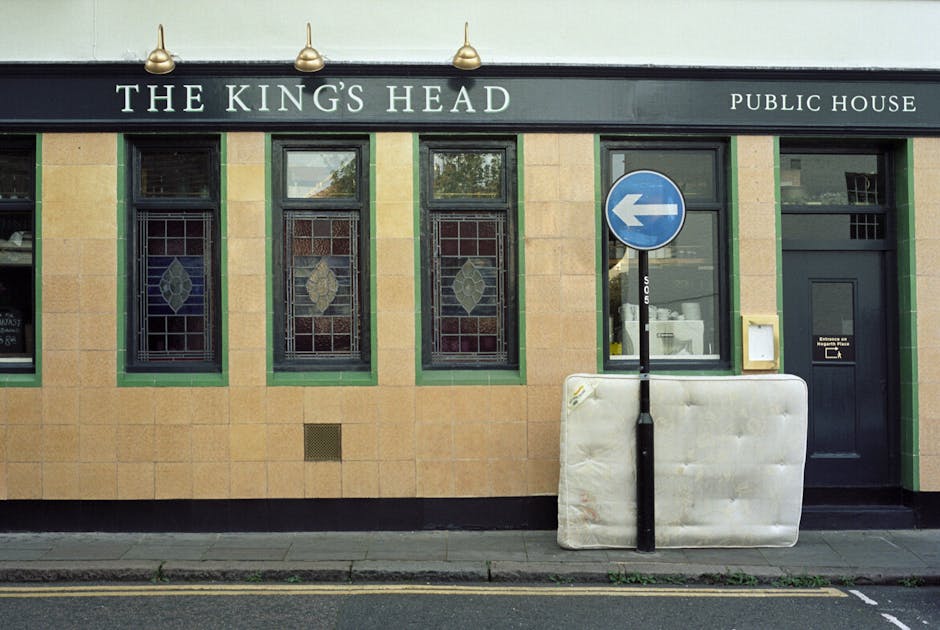
If you are planning York Way removals for narrow entrance buildings Kings Cross, you already know the challenge is not just moving boxes. It is getting furniture, white goods, and awkward items through tight doorways, shared hallways, stairs that seem to turn at the worst possible angle, and street access that can disappear in a blink. Truth be told, that is where many moves either run smoothly or turn into a long afternoon of muttered apologies and scraped walls.
This guide explains how narrow-entrance moves in York Way and the surrounding Kings Cross area actually work, what to prepare before moving day, where the risks are, and how to make the whole thing feel far less stressful. You will find practical steps, a comparison table, a checklist, and a realistic example so you can decide whether a smaller, more agile moving approach is the right fit.
Quick takeaway: For narrow entrance buildings, success usually comes down to careful pre-move measuring, the right vehicle size, good timing, and a team that knows how to protect walls, lifts, stairwells, and door frames without making a fuss about it.
Contents
- Why York Way removals for narrow entrance buildings Kings Cross Matters
- How York Way removals for narrow entrance buildings Kings Cross Works
- Key Benefits and Practical Advantages
- Who This Is For and When It Makes Sense
- Step-by-Step Guidance
- Expert Tips for Better Results
- Common Mistakes to Avoid
- Tools, Resources and Recommendations
- Law, Compliance, Standards, or Best Practice
- Options, Methods, or Comparison Table
- Case Study or Real-World Example
- Practical Checklist
- Conclusion
- Frequently Asked Questions
Why York Way removals for narrow entrance buildings Kings Cross Matters
York Way sits in a part of London where building layouts vary a lot. Some entrances are straightforward, but many are tight, shared, partially recessed, or awkwardly positioned next to traffic, rail activity, or busy pedestrian routes. In narrow entrance buildings, the issue is rarely the moving van itself. It is the gap between the van and the front door, then the gap between the front door and the room you are trying to reach.
That sounds obvious, but in practice those small constraints change everything. A sofa that would glide into a house move may need to be angled, partially dismantled, or carried by two people in a controlled way. A fridge can fit through a service corridor, or it can get stuck on the first turn. One slightly too-large trolley can make the whole entrance useless. And if you are on a busy stretch of York Way, you do not always get much time to think once the vehicle is parked.
This matters for three reasons.
- Damage risk: Narrow thresholds and sharp turns increase the chance of scuffs, chipped paint, and broken item corners.
- Time pressure: Shared access and roadside parking mean you may have less loading time than expected.
- Neighbour impact: A move that blocks a hall, lift, or doorway for too long quickly becomes everyone's problem.
When you plan properly, those risks become manageable. When you do not, even a small flat move can feel oddly complicated. To be fair, that is the nature of many London buildings - they look fine from the outside and then surprise you inside.
If your move also involves packing help or a wider home relocation, it can be worth exploring packing and unpacking services and home moves so the access problem is only one part of the job, not the whole story.
How York Way removals for narrow entrance buildings Kings Cross Works
The best narrow-entrance move starts before anyone lifts a box. In fact, the real work is usually done with tape measures, photos, and honest conversation about what is actually going to fit. A good mover will want details about the entrance width, stair width, lift size if there is one, ceiling height, and any awkward corners, low door closers, or secure-entry systems.
From there, the process usually follows a practical pattern:
- Initial access review: You describe the building layout, floor level, and any restrictions. Photos help a lot. A few clear phone shots can save a lot of guessing.
- Vehicle choice: Smaller vehicles are often better for York Way's tighter loading conditions. A compact van can be easier to position than a larger removal truck.
- Item planning: Bulky items are measured and, if needed, partially dismantled before moving day.
- Protection setup: Door surrounds, bannisters, and floors are protected with blankets, covers, or wrapping material.
- Controlled loading: Items are carried in a sequence that keeps the route clear and avoids bottlenecks.
- Final placement: Furniture is set down carefully, reassembled if needed, and checked for any marks or movement damage.
The big thing here is sequence. Narrow buildings punish random decision-making. If the bed frame comes out before the wardrobe, or the sofa gets turned the wrong way at the entrance, you can end up with a small traffic jam on the stairs. Nobody wants that, especially on a damp London morning when everything feels a bit more annoying than it should.
For business premises or shared buildings, you may also need a slightly different approach. If the move is commercial, it can help to review commercial moves or office removals if the location includes desks, filing, IT equipment, or reception furniture. Office work needs tidier scheduling and clearer route control than a simple domestic move.
Key Benefits and Practical Advantages
There is a reason people search for specialist help with narrow-entrance moves rather than just booking any van. The benefits are quite real, and in a place like Kings Cross they show up fast.
Less damage to the building
Older blocks and converted properties often have tight internal dimensions. Careful handling, proper wrapping, and the right route reduce the chance of scraping freshly painted walls or denting skirting boards. That is not just nice to have. It can save arguments with landlords, managing agents, and neighbours.
Better use of time
A well-planned narrow access move can be faster than a messy one with a bigger truck. Why? Because you are not trying to force the wrong vehicle, the wrong item order, or the wrong route through an unsuitable entrance. Small wins add up.
More suitable vehicle positioning
Where space is tight, a more compact moving van can be easier to park and manoeuvre. That makes loading smoother and reduces the stress of blocking a narrow lane for too long. Sometimes smaller really is smarter.
Safer lifting and carrying
When access is cramped, movers need to adjust grip, angle, and pacing. That reduces the likelihood of sudden slips or last-minute twisting. Good technique matters more than brute strength - anyone who has carried a wardrobe around a tight stairwell knows exactly what I mean.
Cleaner communication
Because access is the main issue, everyone tends to be more specific: what fits, what does not, which items need dismantling, and who is meeting the team at the entrance. That clarity is useful for the whole move, not just the tricky bit.
If you are comparing providers, it can also help to review removal services, removal company, and removal company options carefully, because narrow-entrance expertise is not always obvious from a general service page.
Who This Is For and When It Makes Sense
This kind of move is not just for one very specific type of customer. It suits a few different situations, and it is worth thinking about where you fit.
- Flat movers in converted buildings: If the entrance has a tight porch, narrow stairwell, or awkward internal turn, specialist planning helps immediately.
- Students and renters: Short-notice moves often mean less time to prepare measurements, so a flexible man and van arrangement can be a better fit.
- Families moving larger items: Cots, wardrobes, dining tables, and beds are usually the awkward pieces, especially in older London buildings.
- Landlords and letting agents: When move-out access has to be tidy and efficient, you want less disruption to communal areas.
- Small businesses: Compact office spaces, studios, and medical or creative practices often need a careful access plan for equipment and furniture.
It tends to make sense when any of the following are true:
- The entrance is too narrow for standard item handling without preparation.
- You have heavy or oversized items.
- The building has shared hallways, lifts, or security controls.
- Parking is limited or loading time is restricted.
- You want to reduce risk to the property as much as possible.
If that sounds like your situation, a smaller-team approach such as man and van or man with van support is often a practical match. Not always. But often enough that it is worth considering early.
Step-by-Step Guidance
Here is a straightforward way to handle narrow-entrance removals on York Way without overcomplicating things.
1. Measure the access route
Measure the front door, hallway width, stair turns, lift opening, and any corridor pinch points. Do not just measure the widest bit and assume the rest will follow. Buildings are sneaky like that.
2. Measure the awkward items
Take dimensions for sofas, mattresses, wardrobes, desks, mirrors, and appliances. If the item is oddly shaped, measure the deepest points, not just the obvious edges. A few centimetres can make the difference between a careful carry and a difficult one.
3. Decide what should be dismantled
Anything that can be safely taken apart should be considered. Bed frames, table legs, modular shelving, and some wardrobes often move better in sections. Reassembly on arrival is usually worth the effort.
4. Check the building rules
Some buildings have move-in windows, lift booking requirements, or instructions about protecting common parts. Ask early. A polite five-minute check can prevent a half-hour problem later.
5. Match the vehicle to the access
For some properties, a smaller van is better than a large truck, even if the load is modest. The best option is the one that reaches the entrance safely and loads without drama.
6. Protect the route
Blankets, covers, and floor protection should be in place before bulky items move. In narrow buildings, the route itself is part of the move, not just a corridor between two points.
7. Load in a sensible sequence
Heavy or awkward items should be loaded in a way that keeps the van balanced and the unload order practical. Think of it as organising friction away from the day. Simple, but effective.
8. Keep one person in charge of access
If multiple people are helping, appoint one person to handle decisions at the entrance. That avoids the classic "everyone talks at once" moment. You know the one.
Expert Tips for Better Results
Here are a few small things that make a surprisingly big difference in narrow building moves.
- Take photos in daylight. A dim hallway can make a tight route look wider than it really is. Morning light usually tells the truth.
- Move the largest items first in your planning, not last. If the sofa and wardrobe are your problem pieces, sort them before you pack the cutlery.
- Use soft protection on the most vulnerable edges. Corner guards and blankets can save a lot of bother.
- Keep the route clear. One abandoned laundry basket in a hallway can slow everything down more than you would think.
- Book a realistic time slot. Narrow entrances do not love pressure. A slightly longer booking window is usually money well spent.
- Tell the mover about hidden obstacles. Low-hanging fixtures, sharp bends, intercom doors, and tight lobby spaces matter.
A small but useful bit of advice: if you are moving from a top-floor flat, mention the stairs even if there is a lift. A lift that barely fits a suitcase is not much help with a wardrobe, is it?
For extra reassurance around vehicle safety and handling, you may also want to look at insurance and safety and the company's approach to health and safety policy. That kind of detail matters more on tight-access jobs than people realise.
Common Mistakes to Avoid
Most narrow-entrance problems are avoidable. The trouble is, the avoidable ones are also the easiest to overlook when you are busy.
Assuming the entrance will be fine
People often measure rooms but not the access route. Rooms are only half the story. The route is the story.
Booking the wrong size vehicle
A vehicle that is too large can be harder to park, harder to load, and more stressful overall. Bigger is not automatically better.
Leaving dismantling until moving day
If a bed or wardrobe needs to come apart, do not discover that while the crew is already at the door. That is how a tidy plan becomes a scramble.
Ignoring shared-area etiquette
Communal hallways, lifts, and entrances need respect. Keep them clear, clean, and as unblocked as possible.
Not warning about fragile items
Mirrors, artwork, glass tables, and display cabinets all need extra care. The more specific you are, the better.
Trying to move everything at once
In a narrow building, a controlled sequence is better than a rush. One piece at a time. Calm beats chaotic every single time.
Tools, Resources and Recommendations
You do not need a van full of gadgets to make a move work well, but a few basic tools help a lot.
- Tape measure: For entrances, furniture, and stair widths.
- Phone camera: For route photos, item photos, and quick sharing with the mover.
- Furniture blankets and wrapping: Helpful for doors, corners, and polished surfaces.
- Tools for dismantling: Screwdrivers, Allen keys, and a labelled bag for screws.
- Labels or sticky notes: Useful for rooms and fragile items.
- Straps and trolleys: Best used when the route can actually accommodate them.
On the service side, the most useful pages to review are usually movers, removals, removals near me, and pricing and quotes. Those pages help you understand what level of support is available and how pricing may be handled for your kind of move.
If you are dealing with a smaller household or just a few large items, a man with a van or man and van removals setup can be a sensible middle ground. It is often the sweet spot for narrow-entrance properties: flexible, economical, and less bulky than a large truck.
Law, Compliance, Standards, or Best Practice
For a move like this, the most relevant compliance issues are usually practical rather than dramatic. You are mostly thinking about safe lifting, responsible parking, property protection, and respectful use of common areas. In the UK, it is normal to expect movers to work in line with general health and safety duties, proper insurance arrangements, and building access rules.
Best practice usually includes:
- clear communication about access conditions before the job starts
- careful handling to reduce risk of injury or damage
- appropriate protection for flooring, walls, and fixtures
- respect for neighbours, residents, and managing agents
- honest discussion of limits if an item is too large or unsafe to move as planned
It is also sensible to check the provider's booking terms, payment expectations, and insurance position before confirming. If you want to review those practical details, the most relevant pages are terms and conditions, payment and security, and privacy policy. A reputable mover should be comfortable explaining the basics in plain English.
For sustainability-minded customers, it is also worth looking at recycling and sustainability. Narrow-entrance jobs often lead to better packing discipline, and that can reduce waste from damaged wrapping or avoidable item replacement.
Options, Methods, or Comparison Table
Not every narrow-entrance move needs the same approach. The right choice depends on item size, access route, and how much lifting is involved.
| Method | Best for | Strengths | Trade-offs |
|---|---|---|---|
| Small man and van service | Studios, one-bed flats, a few bulky items | Flexible, easier to park, often quicker for tight access | Limited load capacity compared with larger vehicles |
| Standard removals team | Full flat or house moves with moderate access | More hands, more equipment, better for volume | Can be harder to manoeuvre in a cramped street or entrance |
| Vehicle plus dismantling plan | Large items in narrow buildings | Improves fit through doorways and stair turns | Needs more prep time and reassembly on arrival |
| Combined packing and moving support | Time-poor customers and fragile contents | Less stress, better protection, more organised loading | Costs more than a simple load-and-go job |
In many York Way properties, the most practical choice is not the fanciest one. It is the one that keeps access simple and predictable. A well-planned smaller move beats a badly planned larger one, almost every time.
Case Study or Real-World Example
Here is a realistic example. A customer in a Kings Cross flat on York Way needed to move a sofa, a bed, two wardrobes, a dining table, and several boxed household items. The entrance was narrow, the stairwell turned sharply on the first landing, and the building shared access with other residents. Nothing dramatic, just awkward enough to matter.
Before the move, the key pieces were measured and the wardrobes were partially dismantled. The sofa's feet were removed. The mover arrived with a smaller vehicle rather than a large truck, which made parking easier and kept the loading time steady. Protective covers were used at the entrance and along the sharpest corner of the stairwell.
What made it work was not speed. It was order. The heaviest items went first, the hallway stayed clear, and each carry was planned before it happened. Nobody rushed the turns. There was a little pause at the bottom of the stairs, a bit of repositioning, then the item went through cleanly. Not glamorous, but effective.
By the end, the flat was cleared without visible damage to the walls or doors, and the customer avoided the sort of last-minute panic that often happens when access is underestimated. That is really the goal with narrow-entrance removals: calm execution, not heroics.
Practical Checklist
Use this before moving day.
- Measure the front door, hallway, stairs, and lift.
- Measure all bulky furniture and appliances.
- Take photos of the entrance and any awkward corners.
- Check if the building requires booking or move-time approval.
- Decide what needs dismantling.
- Set aside tools, labels, and wrapping materials.
- Confirm the vehicle size is suitable for the access route.
- Tell the mover about fragile, heavy, or unusually shaped items.
- Keep communal areas clear.
- Prepare a simple room-by-room placement plan for arrival.
If you are still comparing providers at this stage, house removals, house movers, and man with van removal are useful pages to review, depending on whether you are moving a whole property or just a few important pieces.
Conclusion
York Way removals for narrow entrance buildings Kings Cross are all about preparation, route awareness, and choosing the right moving setup for a tight, urban building. The entrance is often the hardest part, not the lifting itself. Once you understand that, the whole move becomes more manageable and a lot less mysterious.
The best outcomes usually come from simple habits: measure properly, protect the route, choose a sensible vehicle, and keep the plan honest. No drama needed. Just clear thinking and careful handling. And if the building is especially awkward, that is not a sign the move will fail - it simply means the access plan needs to be better than average.
Get a free quote today and see how much you can save.
When the boxes are stacked and the last item is in place, you will be glad you took the time to get the access details right. That quiet moment at the end, when the hallway is clear again, feels pretty good.
Frequently Asked Questions
What makes York Way removals for narrow entrance buildings Kings Cross different from a standard move?
The main difference is access. Narrow doors, tight hallways, stairs, and limited parking mean the move needs more planning, better route control, and often a smaller vehicle or more careful dismantling of furniture.
Do I need to measure my entrance before booking?
Yes, absolutely. Measure the door width, corridor width, stair turns, and any lift opening if there is one. It saves time and helps prevent the classic "it looked wider in my head" problem.
Is a man and van service enough for a narrow entrance building?
Often, yes. For smaller loads or awkward access, a man and van or similar setup can be ideal because it is more flexible and easier to position than a larger truck.
What items usually cause the most problems?
Sofas, wardrobes, beds, fridges, large mirrors, and dining tables are usually the awkward ones. Anything bulky, fragile, or oddly shaped can become a headache if the route is tight.
Should I dismantle furniture before the movers arrive?
If it can be safely dismantled, yes. Bed frames, tables, and modular furniture often move much better in sections. Just keep screws and fixings in a labelled bag so you are not hunting for them later.
How far in advance should I book a narrow-entrance move?
As early as you can, especially if the building has restricted access or you are moving on a busy day. Early booking gives everyone time to plan the route and vehicle properly.
Can movers protect my hallway and walls?
They should. Good movers usually bring blankets, coverings, or other protective materials to reduce the risk of scratches and scuffs, particularly on tight turns and door frames.
What if the item does not fit through the entrance?
That is why pre-measuring is so important. If something is very close to the limit, the mover may try a different angle, partially dismantle the item, or suggest another handling method. Sometimes, though, the honest answer is that the item is too large as it stands.
Are narrow-entrance moves more expensive?
They can be, depending on the extra time, access difficulty, vehicle choice, or dismantling needed. But not always. A smaller, better-planned move can also save money by avoiding delays and damage.
What should I tell the removal company before moving day?
Tell them about the entrance width, stairs, lift size, parking situation, fragile items, and any building rules. The more accurate the access details, the smoother the day tends to be.
Do office moves face the same access issues as home moves?
They can, and sometimes even more so because of furniture volume and equipment. If your move involves desks, filing, or workstations, review office relocation services or office removals for a better fit.
Where can I check pricing, safety, and company details before booking?
Useful pages to review include pricing and quotes, insurance and safety, and about us. They help you understand the service and make a calmer decision.